
HOW the disruptive change of technology how overturned the entire stock trading industry…
HOW the disruptive change of technology how overturned the entire stock trading industry…


HISTORY
Before computers, stock trading was loud, crowded, and full of energy. The trading floors of places, such as the New York Stock Exchange, were packed with brokers standing shoulder to shoulder, all shouting prices at once. The noise was constant, with phones ringing and deals being yelled across the room. Since it was almost impossible to hear each other clearly, traders often used hand signals to show what they wanted to buy or sell. Every trade happened face to face, and mistakes could spread quickly if someone misunderstood a signal or number. The entire system relied on human attention and memory, which made trading fast-paced but also chaotic.
A glance of the trading floor and sign language.
The Rise of Computers in Trading
“Virtually gone are the days when securities were traded across the vast floors of stock exchanges by men yelling and wearing bright checkered jackets. Instead, the majority of trades are now dominated by powerful computer algorithms.”
– Michael J. McGowan
Duke Law & Technology Review (2010)
In the 1960s, computers first appeared on trading floors. At first, they were used only for simple tasks such as recording transactions and processing paperwork, replacing manual systems that often caused errors or delays. As computers became more advanced, traders realized they could do more than just store data — they could also analyze it. By the 1980s and 1990s, markets were becoming faster and more complex, and computers had become essential for managing the growing flow of information.
Hedge funds were among the first to see the full potential of technology in trading. Firms like Bridgewater Associates and Renaissance Technologies began using algorithms to study patterns, test strategies, and make data-driven decisions. Instead of relying on human instinct, they turned trading into a mathematical process built on models and statistics. What this means is that they will no longer sell during a panic or buy when the market skyrockets; the computers will behave like scientists and review past models, analyze data, and make the most rational decision. This shift laid the foundation for what we now call algorithmic and high-frequency trading, where thousands of trades can happen in a single second. And like that, what began as a simple record-keeping tool quickly evolved into one of the main forces driving modern finance.
Algorithmic and High-Frequency Trading
The introduction of algorithmic and high-frequency trading completely changed how the stock market operates. In the past, trading depended on human decision-making and physical presence. Now, computers use algorithms—sets of automated instructions—to analyze data, detect price movements, and execute trades in milliseconds. This shift replaced emotional and human-based judgment with digital precision. As a result, speed and technology became the new source of power in financial markets.
According to the Bank for International Settlements (2018), algorithmic trading now accounts for more than half of global equity market volume, showing how deeply automation has reshaped finance. The rise of high-frequency trading, or HFT, took this further by allowing thousands of trades to occur every second. Hedge funds and trading firms invested millions in technology to gain even a microsecond advantage. As LGT Capital Partners explains, systematic hedge funds “use math-based rules and statistical models to identify buy and sell opportunities while keeping human emotions such as fear and greed at bay”
This disruptive change created both opportunities and challenges. Markets became more efficient and liquid, but also more fragile. Events such as the 2010 Flash Crash showed how fast, automated systems could cause sudden market drops when algorithms react to one another. Technology improved accuracy and speed, but it also introduced new risks that continue to test the stability of modern finance.
The Flash Crash

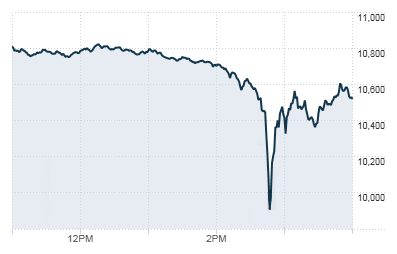
A peak at the flash crash news & the Dow & Jones Index. May 6th, 2010 ©Fox Business
Live News from the flashcrash ©CNBC
On May 6, 2010, the U.S. stock market experienced one of the most dramatic events in its history.
- 2:32 PM: U.S. markets begin a rapid decline.
- 2:41 PM: The Dow Jones Industrial Average drops nearly 1,000 points (about 9%) within minutes.
- 2:45 PM: The market begins to rebound; most losses are recovered within 20 minutes.
“The Flash Crash showed that under stressed conditions, automated trading systems can amplify price volatility and erode market confidence.”
– U.S. Securities and Exchange Commission (2010)
Investigations by the SEC and CFTC found that the 2010 Flash Crash started when a computer program sold about $4.1 billion worth of futures contracts in only 20 minutes. This large and sudden sale caused other trading programs to react automatically, selling even more. The fast chain of reactions created a loop that made prices fall even faster. Human traders couldn’t step in quickly enough to stop the drop, showing how much the market relied on computers and how quickly things could spiral out of control when many algorithms responded at once.
The 2010 Flash Crash was a wake-up call for the financial world. It showed how much control computers had gained over trading and how quickly things could go wrong. After the crash, regulators added safety rules called “circuit breakers” that stop trading when prices move too fast. The incident proved that while technology makes trading faster and easier, it can also make the system unstable. It was a clear reminder that markets need both innovation and control to stay safe.
Ethics in the Disruptive Change of Technologies
As computers took over more of the trading process, new ethical questions began to appear. One of the biggest concerns is fairness: large financial firms can afford the fastest computers and direct connections to exchanges, giving them a big advantage over regular investors. A few microseconds of speed can mean millions of dollars in profit, which raises the question of whether the market is still equal for everyone.
Another concern is transparency. Many algorithms are built as “black boxes,” meaning that even their creators don’t always understand exactly how they make decisions. When these systems move billions of dollars automatically, it becomes hard to know who is responsible if something goes wrong.
There are also moral issues about how much control should be given to machines. Trading used to involve human judgment, emotion, and accountability. Now, it’s driven by data and code. As LGT Capital Partners(2024) explains, systematic hedge funds rely on “math-based rules and statistical models” to remove human emotion from decision-making. While this can reduce bias, it also removes the human values that once shaped financial choices.
Because of this, experts and regulators continue to debate how to make algorithmic trading both fair and ethical. Some suggest stricter oversight, transparency rules, and better testing before algorithms go live. The challenge is finding the right balance between innovation and responsibility to ensure that technology improves the market without replacing human completely.
“…algorithmic trading must not undermine the integrity of markets or disadvantage investors who cannot compete with high-speed technology.”
-The European Securities and Markets Authority (ESMA)
Fintech and Retail Trading
While big firms were using fast computers and advanced algorithms, a different kind of disruption was happening for everyday people. Fintech companies began building apps that made trading simple and accessible to anyone with a phone. Platforms like Robinhood removed traditional barriers such as high minimum balances and trading fees. With just a few taps, anyone could buy stocks, options, or cryptocurrencies in seconds.
This shift changed who could participate in the market. In the past, investing was mainly for people with brokers or financial advisors. Now, college students, part-time workers, and first-time investors could trade from their bedrooms. The idea was to “democratize finance,” and for many users, it did. More people began investing than ever before, especially during the COVID-19 pandemic when the market became a place for both opportunity and risk.
However, this new access also brought new concerns. Many trading apps use easy navigation and promotions to make investing feel more like a game than a financial decision. When trading is as easy as tapping a screen, money starts to feel less real — just numbers moving up and down. This makes people more willing to take risks, often chasing quick profits without thinking about long-term consequences.
Everyone dreams of getting rich fast, especially when social media is filled with stories of overnight success. But the harsh reality is that only a few succeed, and many lose large amounts of money trying to copy them. For most people, the idea of “easy money” turns out to be an illusion. Technology made trading simple, but it also made losing money just as effortless.
Anyway, Fintech changed the culture of trading. Social media platforms like Reddit, TikTok, and YouTube became places where people shared stock tips and talked about markets. Sometimes this helped people learn, but other times it created hype and pressure to follow trends without research. The most famous example was the GameStop short squeeze in 2021, when online users worked together to push up a stock price and challenge hedge funds. It showed how powerful everyday traders could be when connected by technology — and how unpredictable markets can become in a digital age.

Extreme mood swings across the internet. (From Reddit)
Artificial Intelligence and the Market
In the other hand, artificial intelligence has taken trading to a new level. Instead of simply following programmed instructions, AI systems can now learn from data, recognize patterns, and make predictions about future market movements. These systems analyze massive amounts of information from stock prices, financial reports, news, and even social media posts. The goal is to find opportunities and risks faster than any human can.
Many hedge funds and financial institutions now use AI to guide their trading strategies. Some programs track market sentiment by scanning millions of online comments and news headlines to measure how optimistic or fearful investors feel. As Periera(2025) explained, “Artificial intelligence has transformed trading into a new era of automation, where algorithms make complex investment decisions faster and often more accurately than humans”.
AI has made trading smarter, but it also brings new problems. Same as algorithims, machines can misread data or make decisions that people do not fully understand. When an AI system makes a mistake, it can spread quickly across the market and cause unexpected swings in prices. There are also concerns about accountability and fairness because it is difficult to know who is responsible when a machine’s decision causes losses. As AI continues to grow, it may make markets even faster and more connected than ever before. Yet just like earlier changes in technology, progress in speed and intelligence always comes with new risks and responsibilities.
Crypto
Cryptocurrency was created as a digital substitute for money. Instead of using banks or physical cash, people can send and receive coins like Bitcoin or Ethereum directly through online exchanges. This gives users more control over their money and makes transactions faster and cheaper, especially across countries. For many, crypto represents financial freedom — a system that is open to anyone with an internet connection.
As crypto became popular, millions of people began trading and investing in it, hoping to make quick profits as prices rose. However, this new form of finance also brought serious risks. Crypto prices can change sharply within minutes, and scams or exchange failures have caused investors to lose large amounts of money. Without strong regulation, many people treat crypto more like a high-stakes bet than a stable currency.
Future
In my opinion, the disruptive change brought by technology will continue to reshape the trading industry in ways we are only beginning to understand. As technologies such as artificial intelligence, automation, and digital platforms grow more advanced, human traders will play a smaller role in daily operations. By that, firms will recruit less and less brokers but need more professionals in maintaining and developing the AI models and computers. Computers already analyze massive amounts of data and make decisions in seconds, and in the future, they may control nearly every part of the process. In trading, it will shift from reacting to market movements to designing intelligent systems that can predict them. This transformation will make global markets faster and more efficient, allowing anyone with a smartphone and internet access to invest instantly. The key challenge for the future will be finding a balance between technological progress and human responsibility. If used wisely, disruptive technology can make markets more open and fair, but if left unchecked, it could create systems that are too complex for anyone to control.
Conclusion
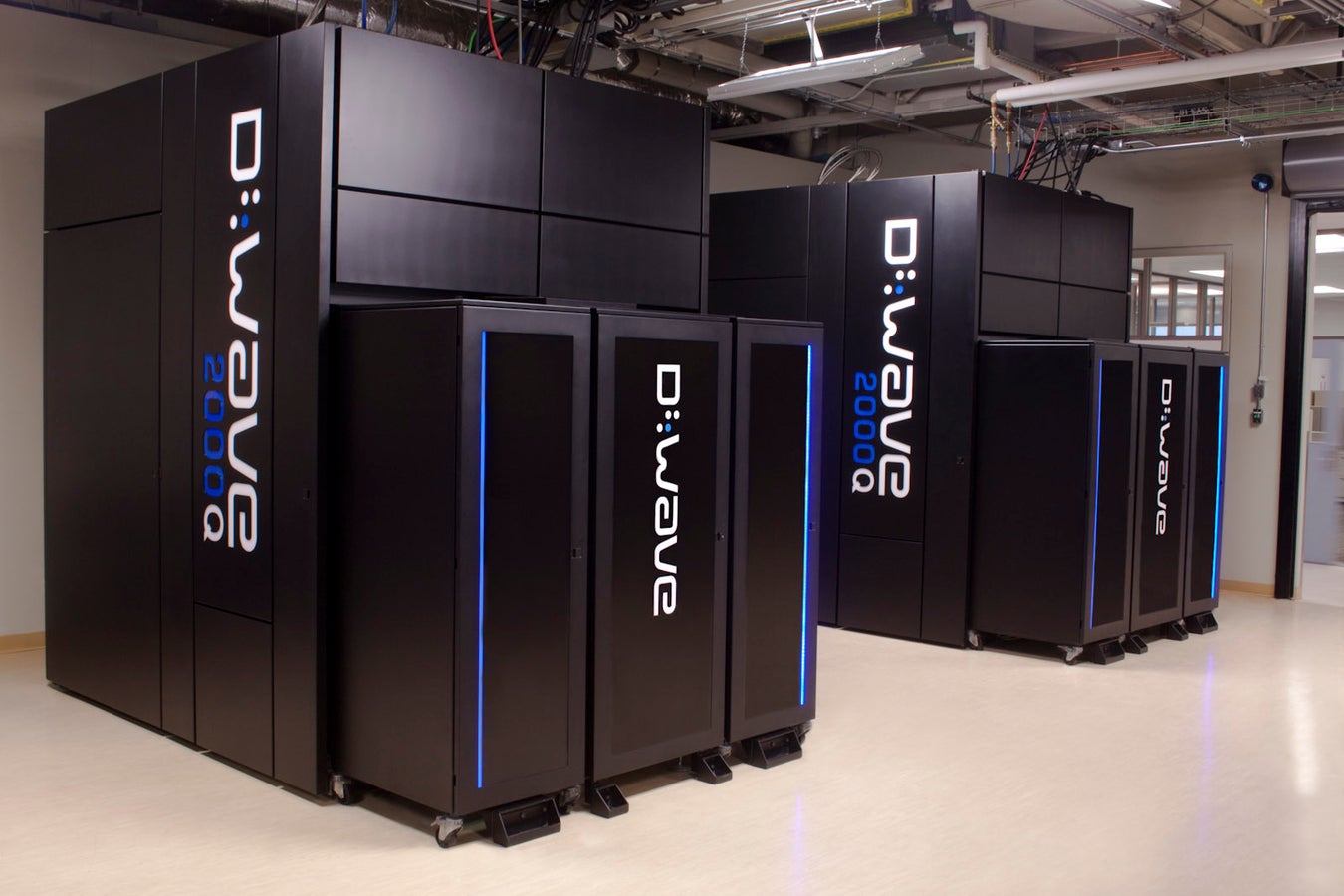
Technology has completely changed the world of trading, turning it from a human-centered activity into one driven by data, algorithms, and automation. From the noisy trading floors of the past to today’s quiet rooms fill with AI-powered machinery and systems, every stage of this transformation has made markets faster, smarter, and easier to access. These innovations have opened the door for people around the world to invest and participate in ways that were once impossible. However, they have also created new challenges involving fairness, transparency, and control. The line between progress and risk has become very thin. As the industry continues to evolve, it is important to remember that technology should serve people rather than replace them. The future of trading will depend on how responsibly we use these tools to keep markets efficient, open, and fair for everyone.
References
Bank for International Settlements. (2018). Algorithmic trading in financial markets. Retrieved from https://www.bis.org/publ/arpdf/ar2018e.htm
Fortune. (2020, May 6). Algorithmic trading programs can magnify stock market swings. Fortune Magazine. https://fortune.com/2020/03/10/high-frequency-algorithmic-trading-stock-market-crash/
Forbes Technology Council. (2025, March 6). The disruption of AI in stock markets: A new era of investment decisions and automation. Forbes. https://www.forbes.com/councils/forbestechcouncil/2025/03/06/the-disruption-of-ai-in-stock-markets-a-new-era-of-investment-decisions-and-automation/
LGT Capital Partners. (2023). Algorithmic hedge funds: The evolution of systematic funds. LGT Group. https://www.lgt.com/global-en/market-assessments/insights/financial-markets/algorithmic-masterpieces-231988
McGowan, M. J. (2010). The rise of computerized high-frequency trading: Use and controversy. Duke Law & Technology Review, 2010(6), 1–24. https://scholarship.law.duke.edu/dltr/vol2010/iss1/6
Securities and Exchange Commission, & Commodity Futures Trading Commission. (2010). Findings regarding the market events of May 6, 2010. U.S. SEC. https://www.sec.gov/sec-cftc-prelimreport.pdf
The Guardian. (2022, November 14). Why did one of the world’s biggest cryptocurrency exchanges just collapse? The Guardian.
Oxford Scholastica Academy. (2023). How has the development of financial technology affected trading? OxJournal. https://www.oxjournal.org/how-has-the-development-of-financial-technology-affected-trading/
Zhao, K. (2022). Embracing change: How fintech reshapes the financial industry. International Journal of Finance and Banking Studies, 11(2), 45–58.
 Yaosheng Huang